50 Bay Area High Schoolers Explore Maritime Careers in an AI-Driven Economy

Ridgeline, Cal Poly Maritime Academy, and Working Waterfront Coalition partner to build the Bay Area’s maritime talent pipeline
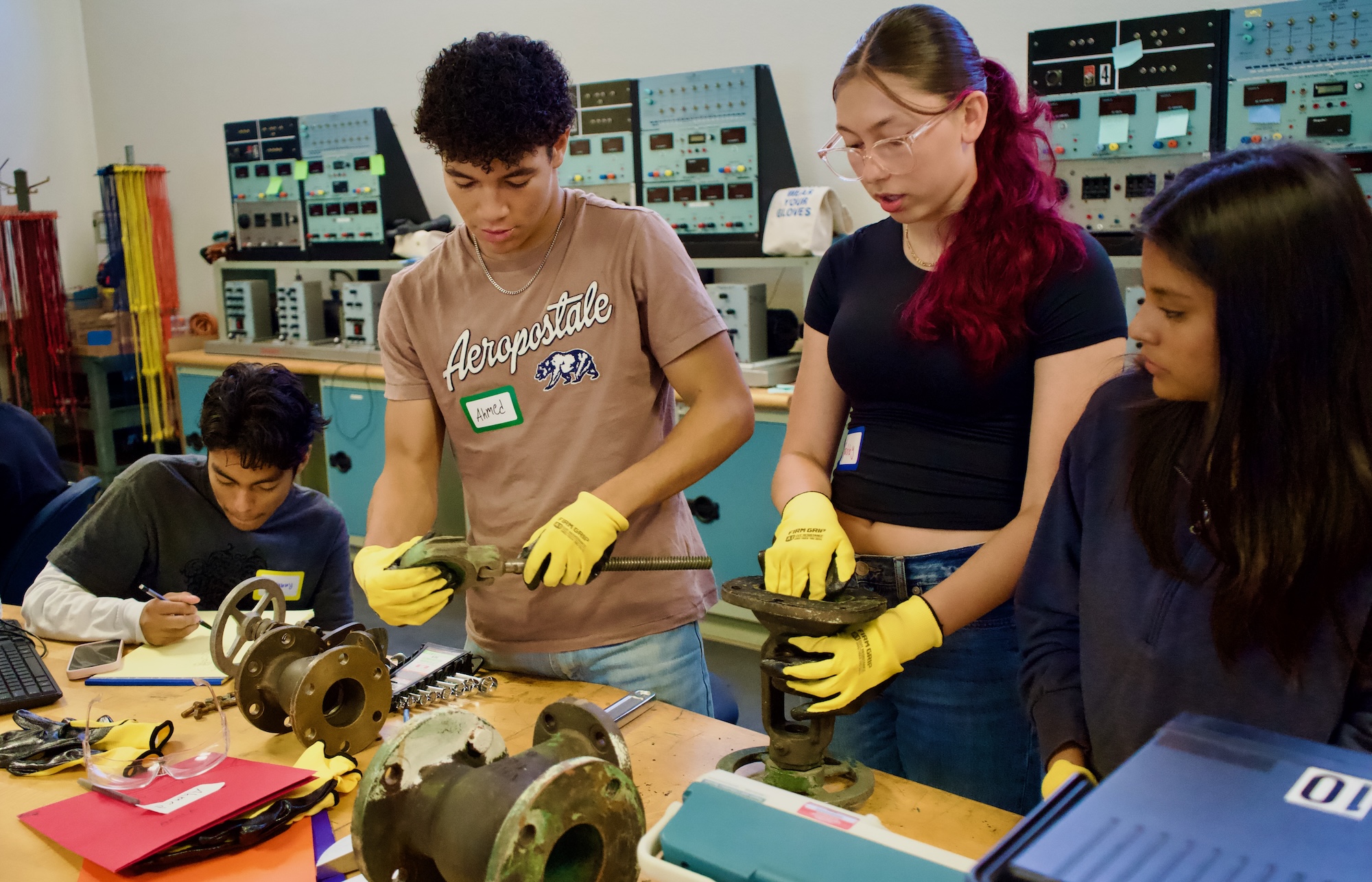
Ahmed Abdellatif, a high school junior, hadn’t thought about a career in the maritime industry before hearing about Ridgeline’s Hands-On Deck program. By the end of the three-day career exploration experience, he was picturing himself as a maritime engineer.
"I decided to join Hands-On Deck to explore my options. Maritime was never really one of the pathways I’d considered," said Abdellatif who attends Heritage High School in the Bay Area’s Contra Costa County.
“This Ridgeline program shifted my thinking and opened my eyes,” Abdellatif shared. “Now, I’m definitely interested in multiple careers in maritime, including engineering. I like the pay and I like the hands-on work.”
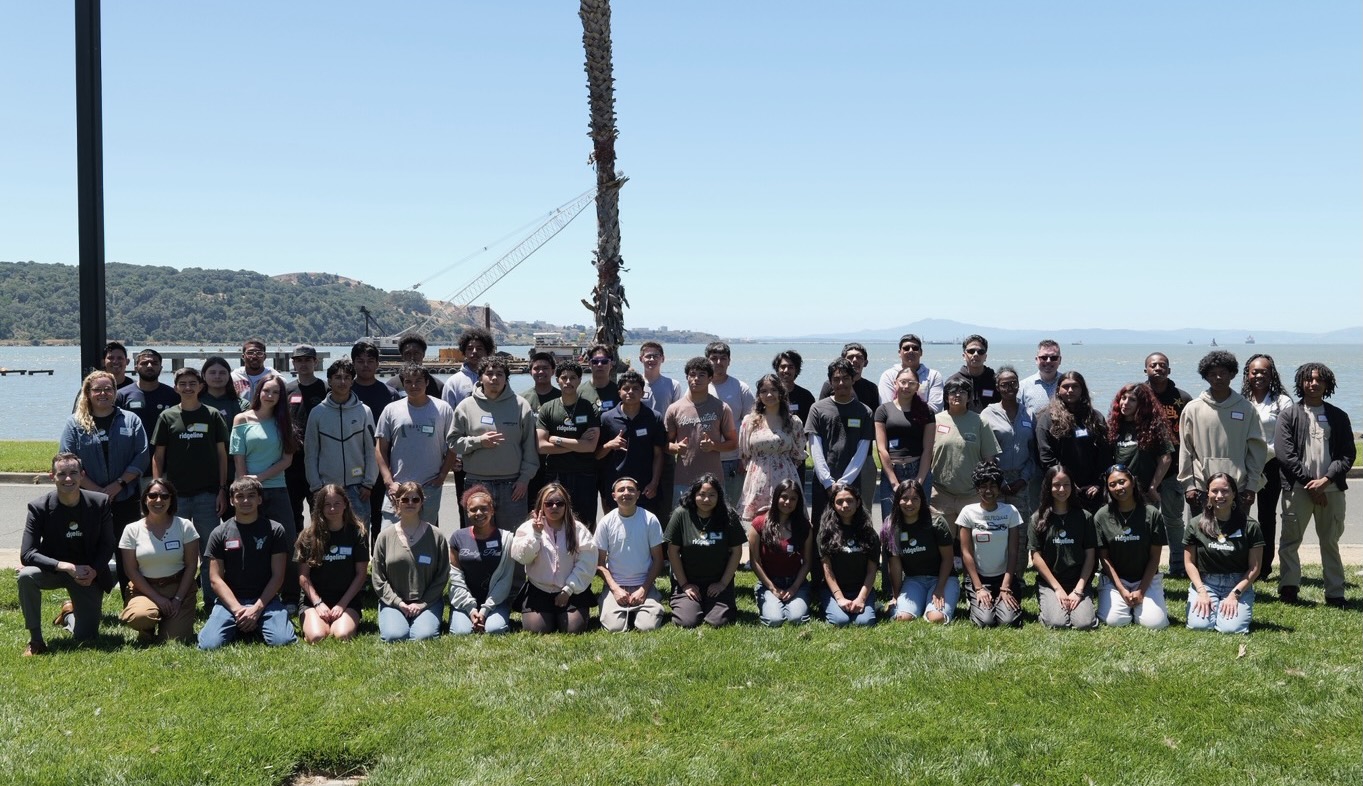
Abdellatif was one of 50 high school juniors, seniors, and recent graduates who spent three days this July exploring in-demand, high-paying maritime careers, meeting professionals, and learning through real-world simulations.
Participants joined from more than 20 Bay Area high schools, with 80% coming from low-income backgrounds. They earned a stipend and walked away with a clearer sense of what they want to do next along with the durable skills needed to get hired in any industry.
Mitigating a workforce shortage in an AI-resilient industry
The new Ridgeline program was co-designed with Cal Poly Maritime Academy and the Working Waterfront Coalition to open the port of entry into maritime jobs – a win for young people who need clearer paths to good jobs, a win for employers who are short-staffed, and a win for the community relying on the maritime industry for everyday goods and services. It’s the first step in Ridgeline’s broader effort to build a regional maritime talent pathway.
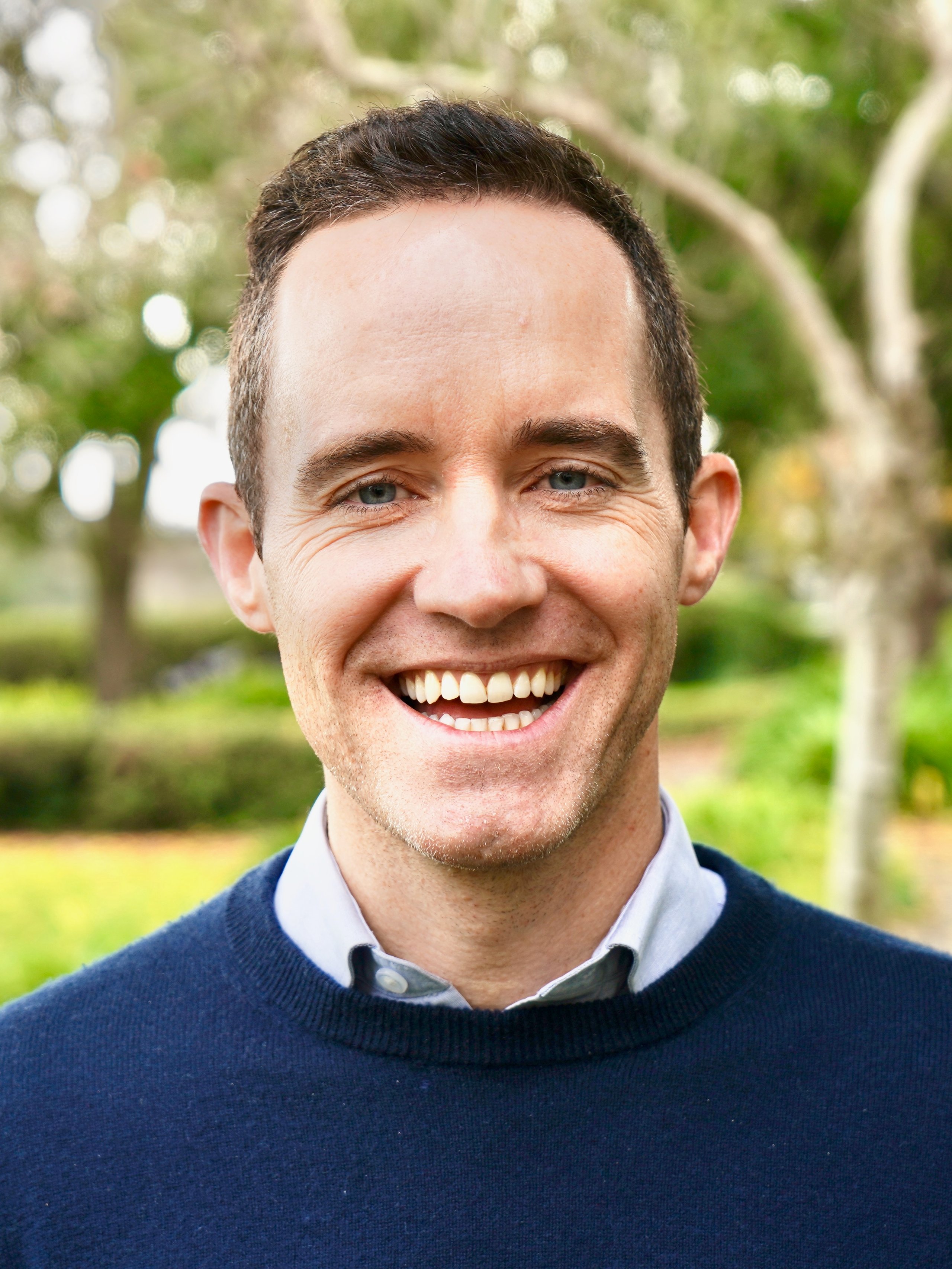
“Maritime is a critical, growing industry and there are many high-wage jobs that are in-demand,” shared Pat O’Donnell, CEO and co-founder of Ridgeline, which is a career pathways intermediary and non-profit that launched in July 2026 to build clear pathways from education to employment.
Sal Vaca, executive director of the Working Waterfront Coalition, added: "We need to have a skilled workforce to be able to assist with the growth of our ferry service. We also need a supply of trained and skilled individuals to be able to support local shipyards."
Fortune recently reported on the maritime industry as offering AI-proof careers and, at the same time, facing a 250,000-worker shortage.
"The good news is the maritime industry has many entry points and pathways. Some require college degrees, like becoming a marine engineer or a captain, and some don’t, like entering through the skilled trades,” O’Donnell shared.
“In both cases, you can be earning up to six figures or more after high school or college. This resonates with what young people in Ridgeline programs are looking for.”
The challenge is often high schoolers don’t know maritime careers exist, and if they do, there aren’t early opportunities to explore and experience roles alongside industry professionals.
"For many students, they know the careers they've seen, which are often teacher, lawyer, doctor, banker," said Larry Martin-Avalos, Ed.D., manager of admissions and recruitment at Cal Poly Maritime Academy.
“Students live near the Bay, but they may not know that there are jobs on that Bay. They may not realize you could pilot the Bay Ferry, you could work in the Port of Oakland, or the Port of San Francisco,” Martin shared.
“Trying on” three pathways over three days
That’s where learning by doing comes in. Hands-On Deck was designed as the first step in Ridgeline's maritime pathway for young people in the two years before and after high school graduation, or grades 11-14.
"For young people to really begin imagining themselves in a career, they need the opportunity to try it on," shared Aiyana Mourtos, head of program and co-founder at Ridgeline, who led the intentionally progressive design of Hands-On Deck.
Young people got exposure to the breadth of the maritime industry through three career themes:
- Navigate It is all about steering the ship from deckhand to captain, with jobs in vessel operations, navigation, and commanding ferries, tugboards, and oceangoing ships.
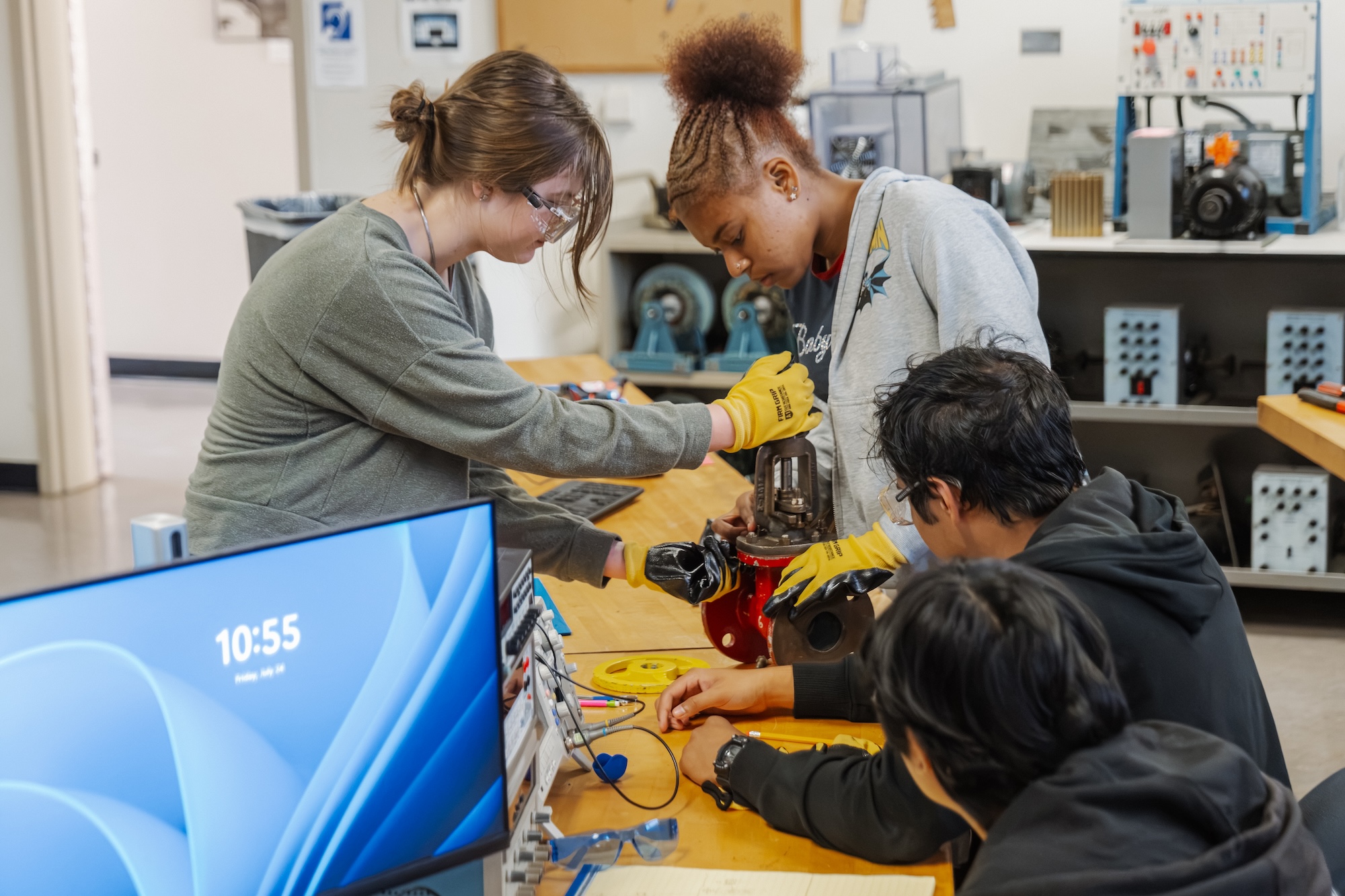
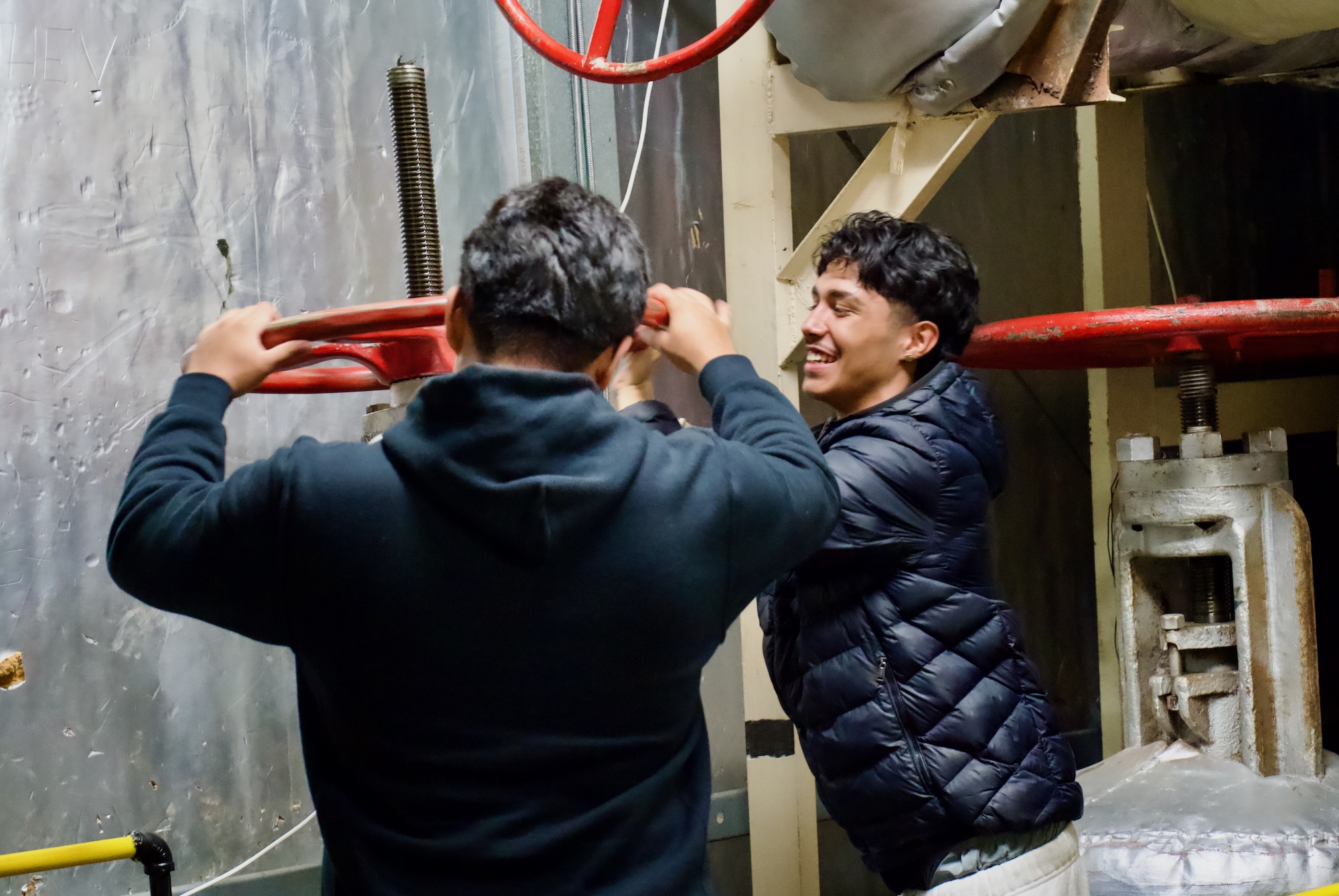
- Build and Fix It is all about the systems that keep the ship running, with jobs in marine engineering, shipyard trades, welding, and more.
- Move the World is all about the business behind the ships, with jobs in port operations, business and logistics, supply chains, trade, and maritime policy.
Over the course of three days, young people worked on increasingly complex maritime simulations before choosing a pathway for deeper work-based learning on the final day – all alongside industry professionals.
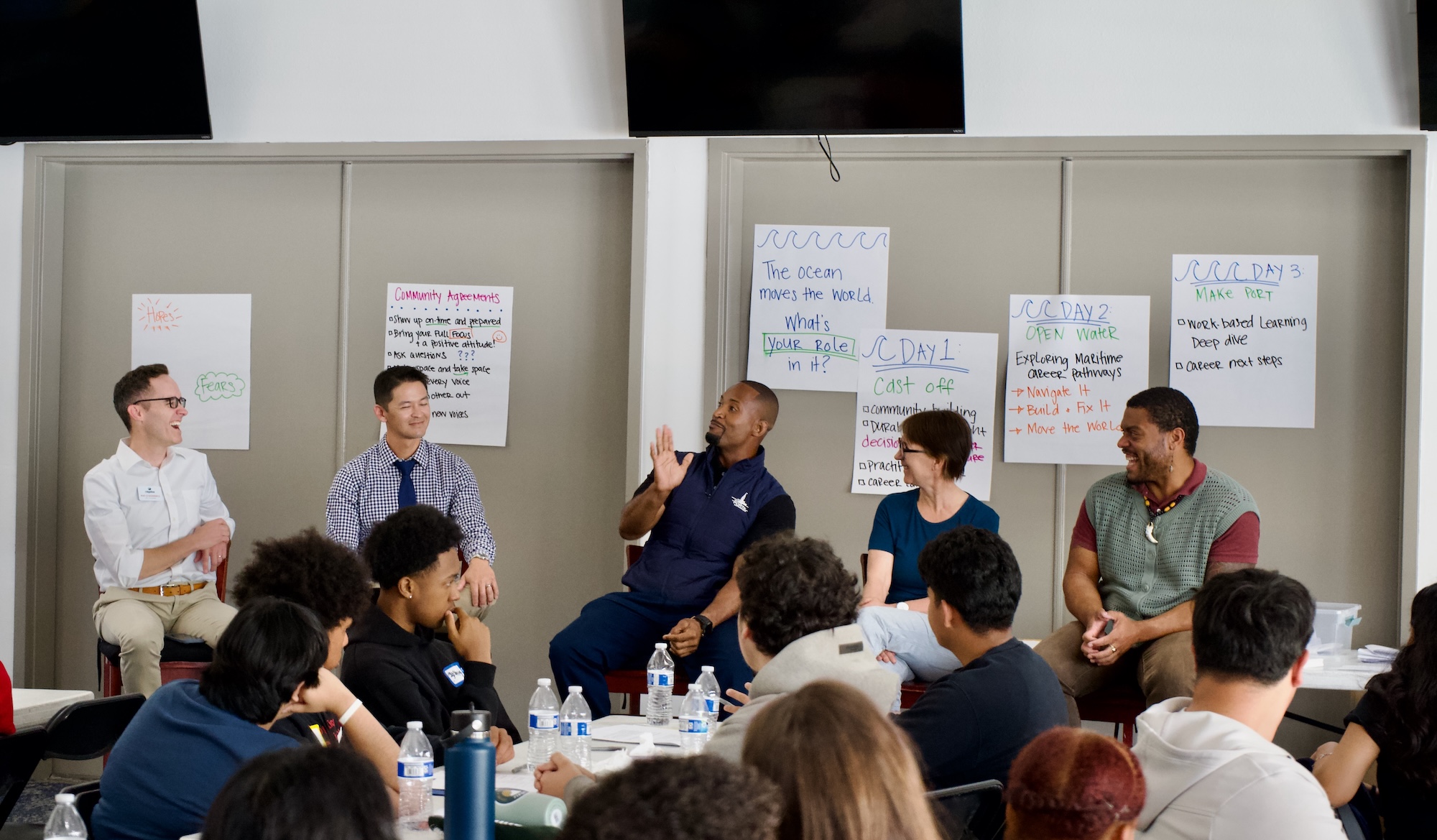
The first day of Hands-On Deck included an industry panel with:
- Pierina Dell'Avo, Boatworks 101™ Apprenticeship Program Director, Spaulding Marine Center
- Terence Candell, Government and Regulatory Affairs Specialist (Former Deckhand), San Francisco Bay Ferry
- Joe Monroe, Maritime Operations Manager at the Port of San Francisco
- Captain Jesse Pullin, Bar Pilot, San Francisco Bar Pilots
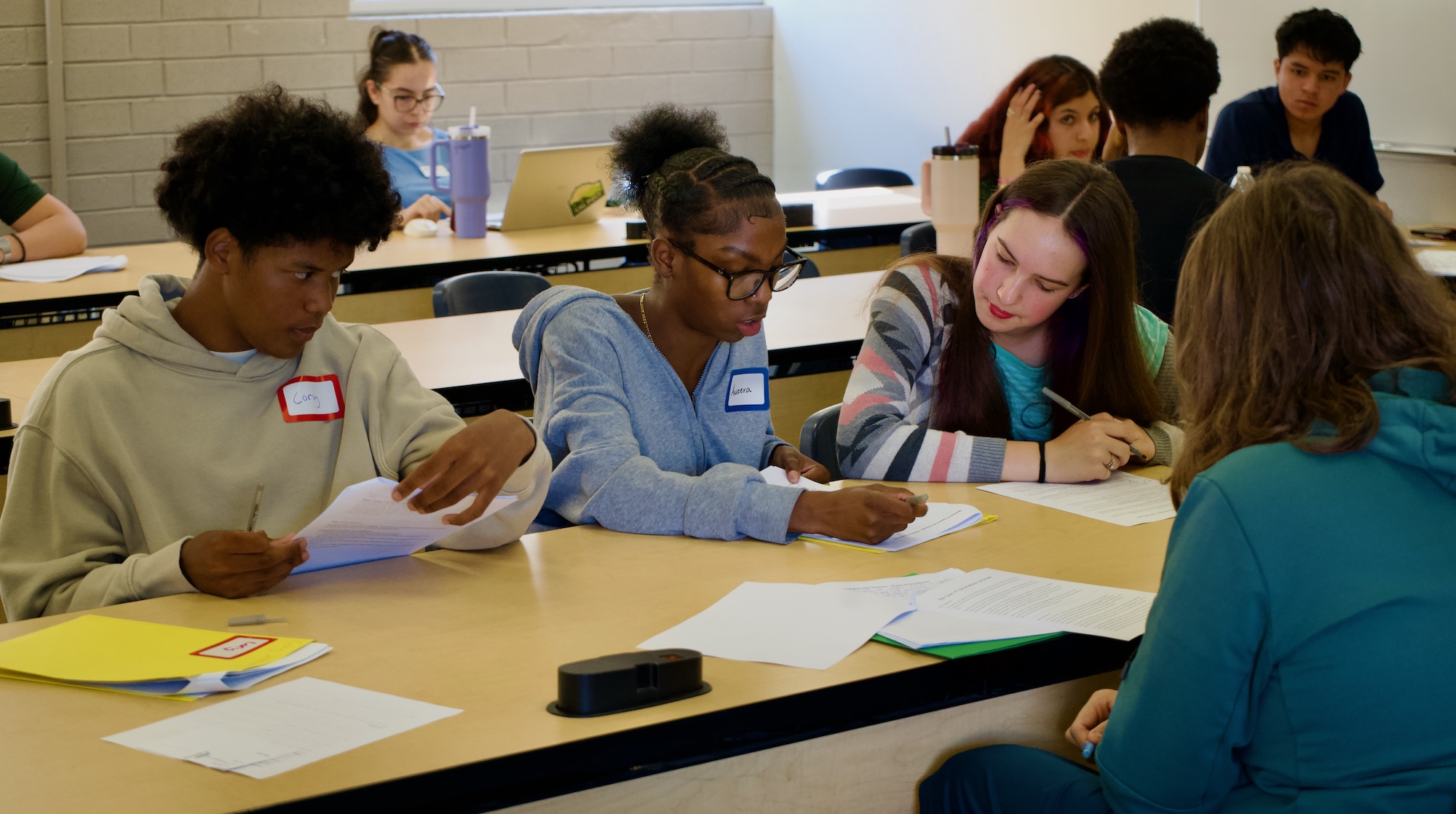
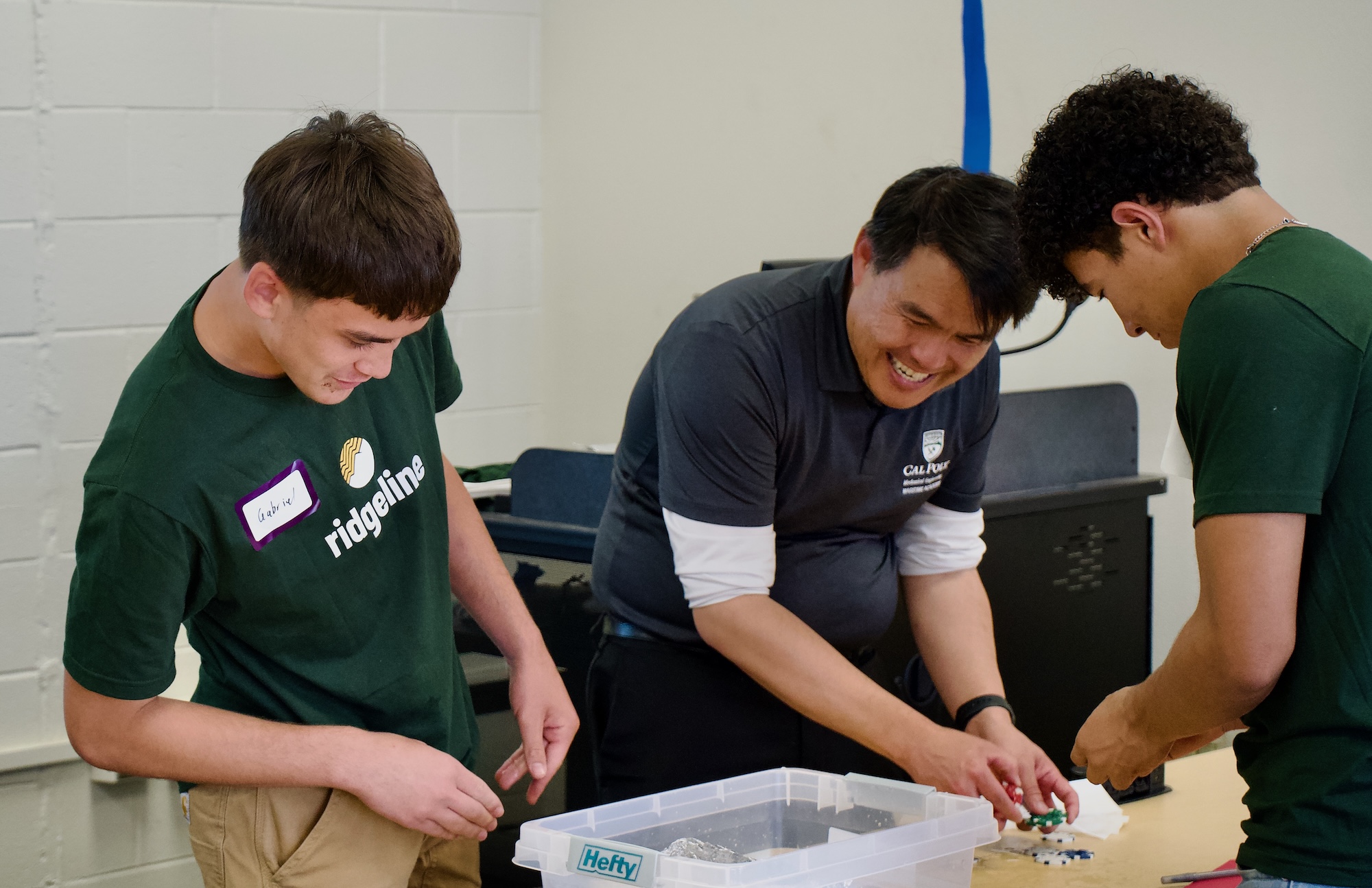
Faculty from Cal Poly Maritime Academy led simulations the following two days:
- Captain Tamara Colette, Associate Professor of Marine Transportation
- Dr. Tony Lewis, Associate Professor of International Business and Logistics
- Keir Moorhead, Marine Vocational Instructor
- Dr. William Tsai, Associate Professor of Mechanical Engineering
"One thing that was really inspiring was meeting a female captain,” shared JorDyn Carpenter, a senior at De Anza High School. "I definitely could see myself exploring a maritime career."
Tangible skills, connections, and next steps
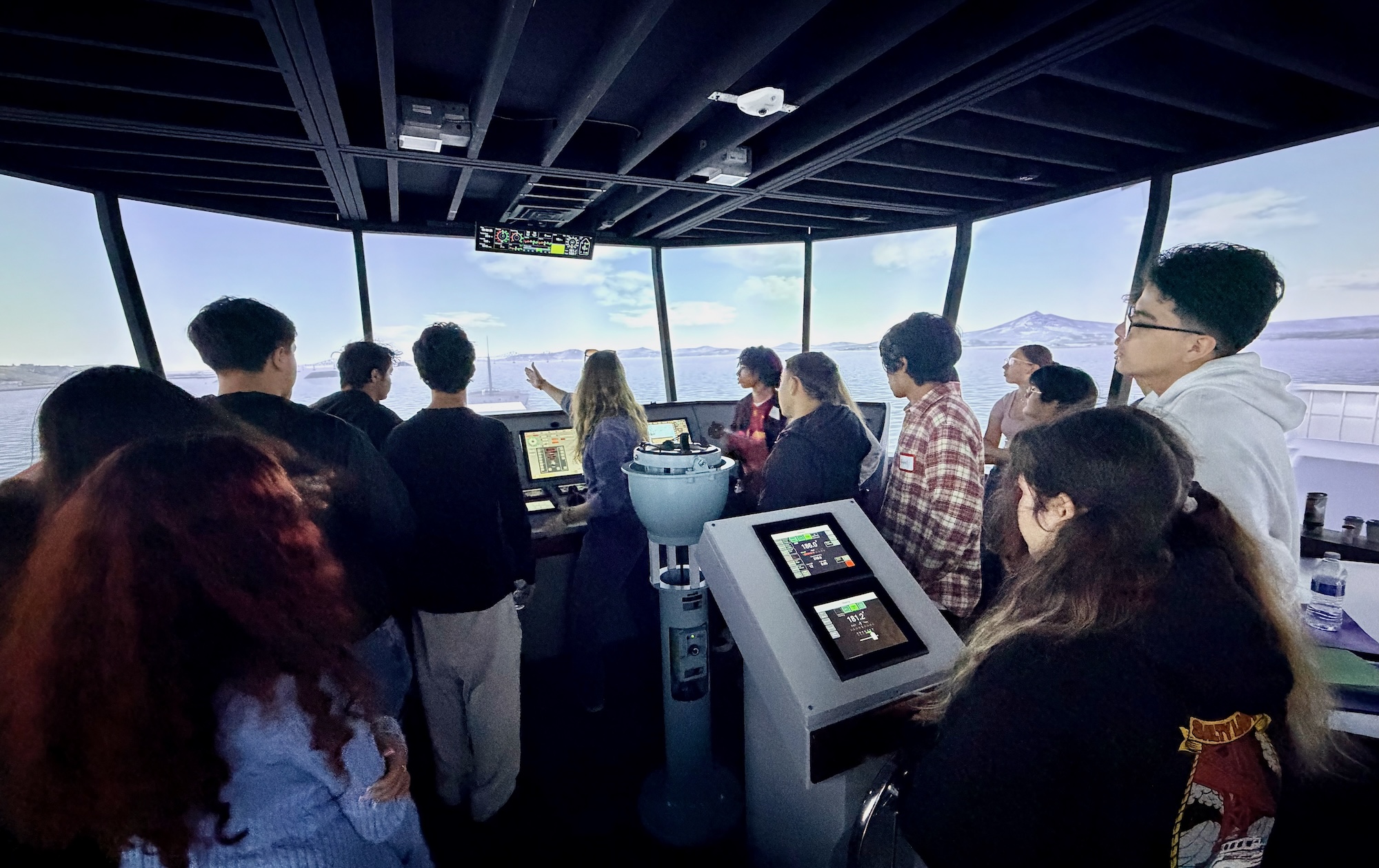
The 50 participants completed a live simulation voyage out of the San Francisco Bay, took apart and rebuilt a valve, and investigated and filed an incident report on a missing container of pediatric vaccines.
"We also use a career compass reflection so that young people are reflecting on how these experiences align with their interests, values, talents, and needs,” Mourtos shared.
This combination of programming builds tangible skills, connections, confidence, and next steps.
- Nearly 100% of participants reported gaining more useful career information
- Nearly 90% reported stronger communication, teamwork and decision-making skills
- Nearly 90% reported new connections to people who can help them pursue their goals
- Nearly 90% said they feel more confident making decisions about their future.
Future steps include going to a four-year college (65%), getting an internship (57%), enrolling in job training (37%), finding a job shadowing opportunity (30%), or going to community college (28%).
"I learned there are options for different jobs,” shared Alyssa Hollick, a junior at De Anza High School. “One of the careers that I see myself in is a sustainability manager.”
Career pathways intermediary model at work
To make this opportunity happen, Ridgeline brought together partners like Cal Poly Maritime Academy and the Working Waterfront Coalition to connect often disparate systems and create pathways for young people from high school all the way to employment.
“I'm full of optimism about what's possible when these systems work together,” shared O’Donnell. “This is exactly the role of an intermediary and why we launched Ridgeline to coordinate across employers, colleges, and schools to develop a regional strategy and create career pathways mapped from employer demand.”
- Cal Poly Maritime Academy – the only degree-granting maritime academy on the West Coast – contributed its faculty, facilities, and expertise to immerse students in authentic maritime learning.
- The Working Waterfront Coalition – an employer-led initiative connecting trained workers to employers – brought together employers and industry partners to ensure students explored careers that are in-demand across the Bay Area's working waterfront.
- Ridgeline – a career pathways intermediary and nonprofit – convened the partnership, co-designed the program, recruited high schoolers, and coordinated the experience as a first step for young people to move from exploration to employment.
"This coordinated effort ensures there is a pipeline of talent to support the maritime industry,” Vaca shared. “Ridgeline being focused on the younger population is absolutely key. The earlier in the process that they learn, the greater opportunities that they have to engage."
For Cathlien Orcina, this early exposure relieves the stress of being a senior in high school. “It’s stressful because a lot of people don’t know what their options are. Joining this Ridgeline program gave me a lot of options,” shared Orcina, who is a senior at Mount Diablo High School.
Beyond the port of entry: a look at Ridgeline’s pathways connecting education and employment
Hands-On Deck is the entry point to a longer sequence as a part of Ridgeline’s grades 11-14 model, serving young people ages 16-22. The three-day experience is designed to help students discover careers before continuing into more in-depth work-based learning, industry credentials, college pathways, and employment opportunities. Ridgeline plans to launch the next phase of its maritime pathway this spring.
“We created Ridgeline to fill a critical gap between education and employment,” shared Mourtos.
“Hands-On Deck is the first phase of our maritime pathway where young people can move from career exploration into work-based learning, credentials, pre-apprenticeships and, eventually, jobs," shared Mourtos.
Ridgeline is starting with the healthcare and maritime industries with possibilities of expanding to more career pathways, like in construction and trades.
"We keep meeting young people who want high-wage jobs they love, but too often they're not accessible, especially for first-generation students and those from low-income communities. And on the flip side, we meet employers who have high-demand, high-wage jobs, and they're struggling to build the talent pipelines into them,” O’Donnell shared.
"Our job is to help connect those dots. We bring together employers, education, and workforce partners to build career pathways that work better for everyone. Hands-On Deck is one example of what's possible when those partners come together around a shared regional strategy."
Support career pathways!
Become a founding donor of Ridgeline or reach out to our team at hello@ridgelinepathways.org if you’d like to learn more about funding and partnership opportunities.
Ridgeline in the news
From the trail



Join the Ascent
Join the Ridgeline email list for the latest news and opportunities.