Ridgeline In The News | The Humanist: College Is an Expensive Career Exploration Tool. Here’s an Alternative.


The following is an excerpt of Ridgeline CEO and Co-Founder Pat O'Donnell's feature by Allison Dulin Salisbury in The Humanist.
“Young people know that sitting in a classroom for twelve years isn’t going to show them how to find a job, let alone a career they love.”
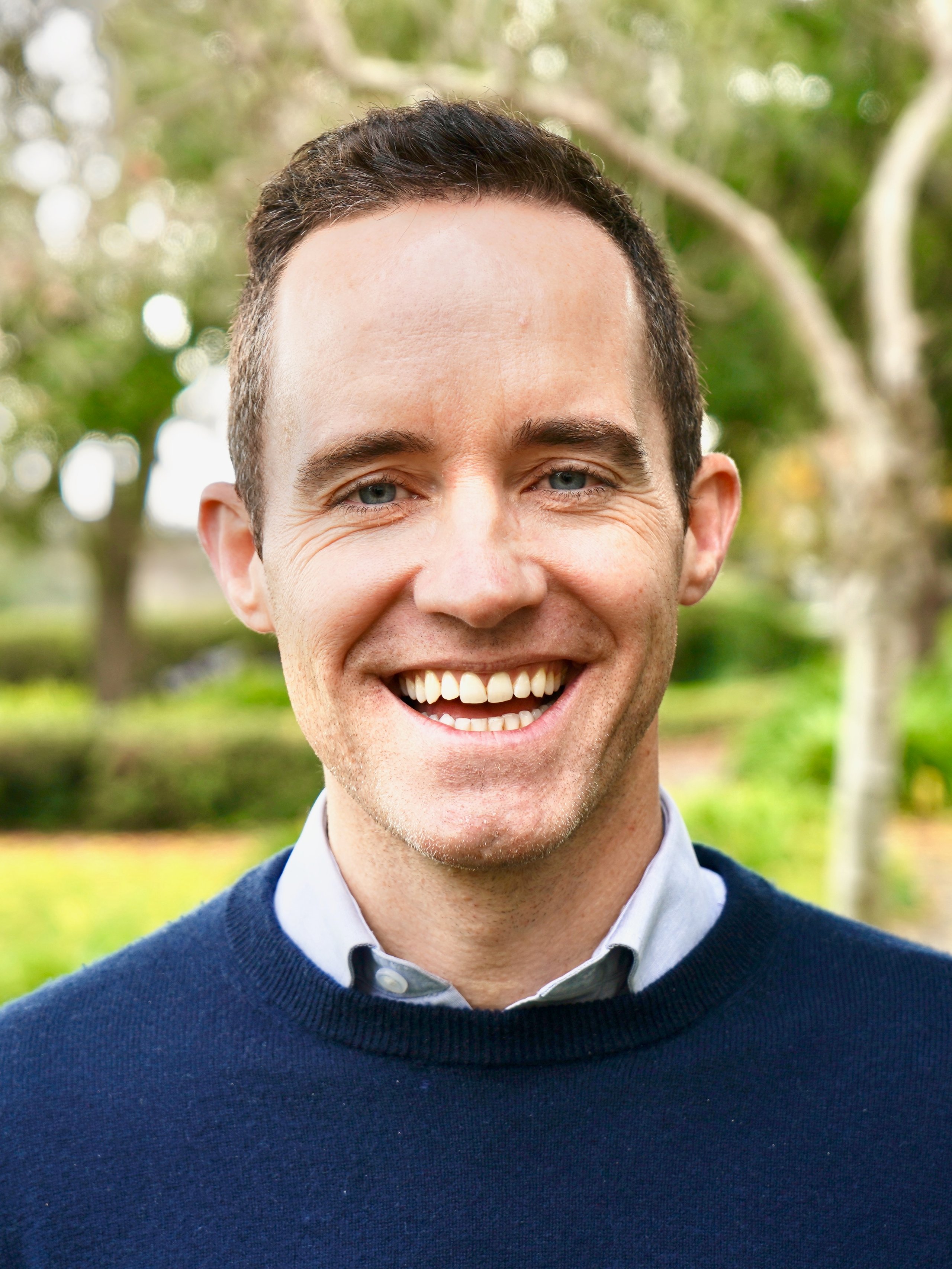
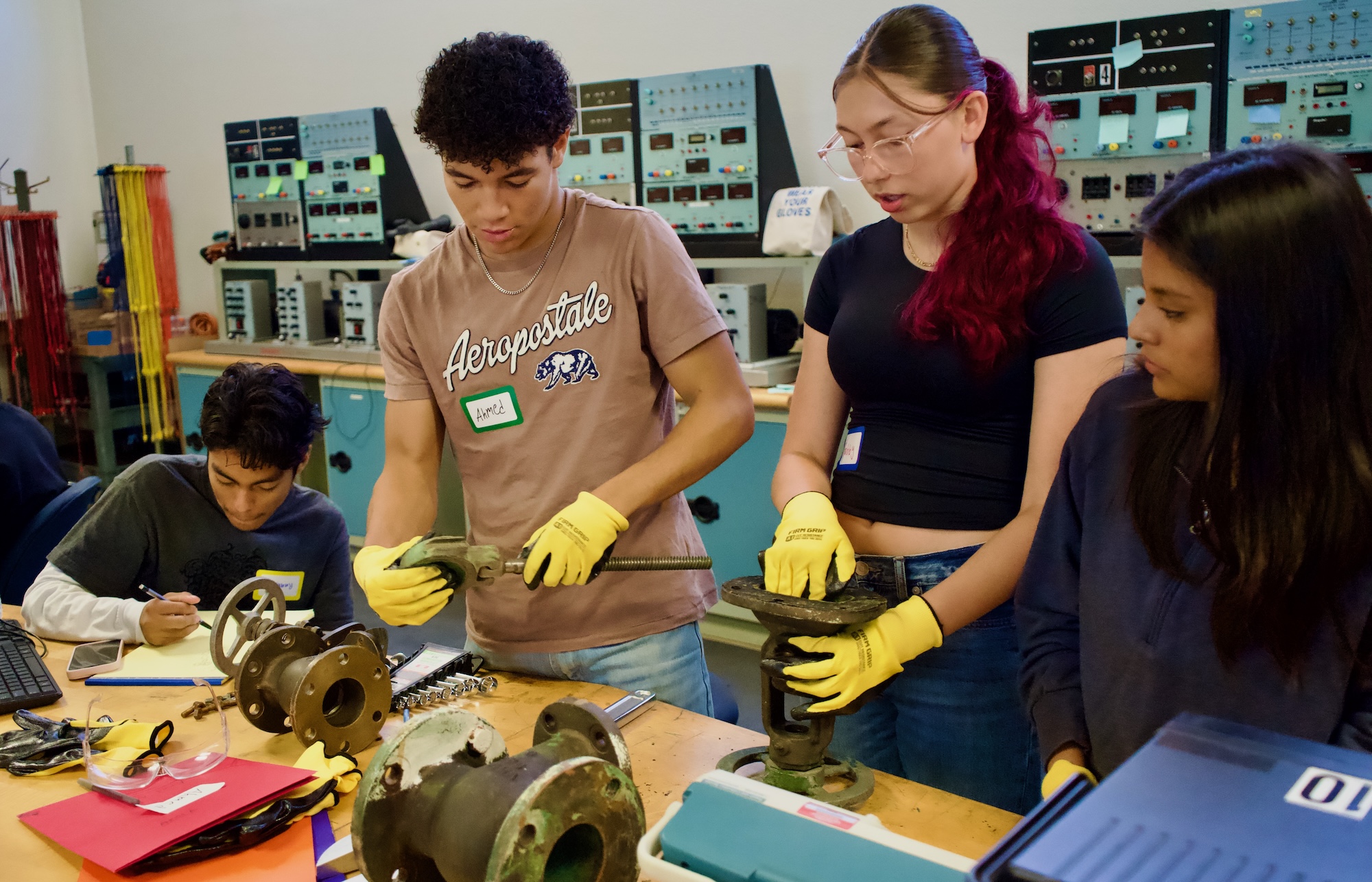
Pat O'Donnell recently co-founded Ridgeline after seven years as CEO of Making Waves Education Foundation. The new Bay Area intermediary places high school students inside healthcare and maritime workplaces, giving them enough contact with a career to understand its demands and begin imagining themselves within it.
Most of Ridgeline’s programs run after school and on weekends. I had regarded out-of-school learning as a piecemeal response to a system that needed deeper change. Pat helped me see its strategic value. Operating outside the school day allows Ridgeline to launch across a region without renegotiating curriculum and schedules one school at a time. Each cohort deepens its employer relationships and sharpens its model. Demand provides its own signal: applications exceed available seats several times over.
Now schools are approaching Ridgeline about formal collaborations, including CTE pathways. Ridgeline arrives with experience already earned and a model students have already chosen.
The path toward making half of high school experience-based may begin outside school.
- Allison
On Why Out-of-School Learning Is More Transformative Than You Think
ALLISON: What’s something you’ve changed your mind about in the last year or so?
PAT: I’ve come to believe out-of-school learning is a powerful lever for shaping student career outcomes. I used to view out-of-school time as somewhat superficial. But today at Ridgeline, we’re betting our business on the power of out-of-school learning time. We did so because it’s the fastest way to serve an entire region without changing the most intractable things about school, like the academic calendar and instructional day. It’s been incredible to see young people take advantage of this time, doing things like taking their clinicals and studying for their CNA credentialing exam—really using out-of-school time to accelerate toward high-wage jobs.
ALLISON: In prepping for this interview, I’ve realized I share the same bias: that learning outside of school is supplemental, at best a piecemeal solution—not transformative. But you’re right that out-of-school learning is a great place to start in proving out an MVP of an intermediary model, precisely because it doesn’t require systemic or logistical change.
So how do we go from transforming out-of-school learning to transforming learning in school?
PAT: We are early in this work, but we’re already seeing interesting signals in conversations with schools about how our work to date might set the stage for either launching CTE pathway programs within their schools or helping them build capacity for their offerings. That’s not something we set out to do; we were originally built as an intermediary, coordinating direct service programs. But now schools want to bring these kinds of experiences in-house—that kind of work could be the bridge between today’s instructional delivery model and one more aligned with the labor market.
ALLISON: What kind of learning could be accomplished in out-of-school time if you were to put it to its limit?
PAT: Our programs help young people pursue credentials to accelerate their paths into strong, in-demand jobs. But ideally, I’d love to see out-of-school time used to give kids more opportunities to be in Explorer mode—I really love that framework from The Disengaged Teen.
Scale is the limiting factor. We are seeing huge demand from young people for pathway programs—for every program we’ve launched, we have three to five times the number of applicants as there are open spots. So we have to figure out scale. And we need to meet the students who are not raising their hands to join an out-of-school program where they are.
On Creating High-ROI Career Paths for Young People
ALLISON: What do people systemically misunderstand about creating quality career pathways for young people?
PAT: So many schools or organizations stop at exposure, partly because that’s what they can acceptably accomplish, given their charge and structure. Visiting a job site or attending an employer talk or career fair can be a meaningful entry point on the continuum of career exploration. But to really prepare young people for the future of work, we have to offer real, paid, work-based experiences, including durable skill credentialing.
ALLISON: Why do we stop at career exposure? I’d argue that we don’t even do that part all that well—too often, it’s just ad hoc.
PAT: I came up through Teach for America and have been a classroom teacher. That experience instilled in me a deep love and optimism in the power of high-performing schools to change young people’s lives. But my work at Ridgeline has also reinforced that building strong career pathways requires a fundamentally different set of relationships and infrastructure than schools have traditionally been asked to develop.
School leaders are focused on getting instruction right; they aren’t tasked with connecting education to labor market demand, or even knowing what that means in their region. They aren’t tasked with connecting with employers, and they don’t have the staff capacity or skill to manage the intensive work that goes into moving beyond career exposure.
From the trail



Join the Ascent
Join the Ridgeline email list for the latest news and opportunities.