Ridgeline In The News | Hechinger Report: We’ve been treating college as a career plan, but it’s failing too many students


The following is an excerpt from Ridgeline CEO and Co-Founder Pat O'Donnell's op-ed in The Hechinger Report.
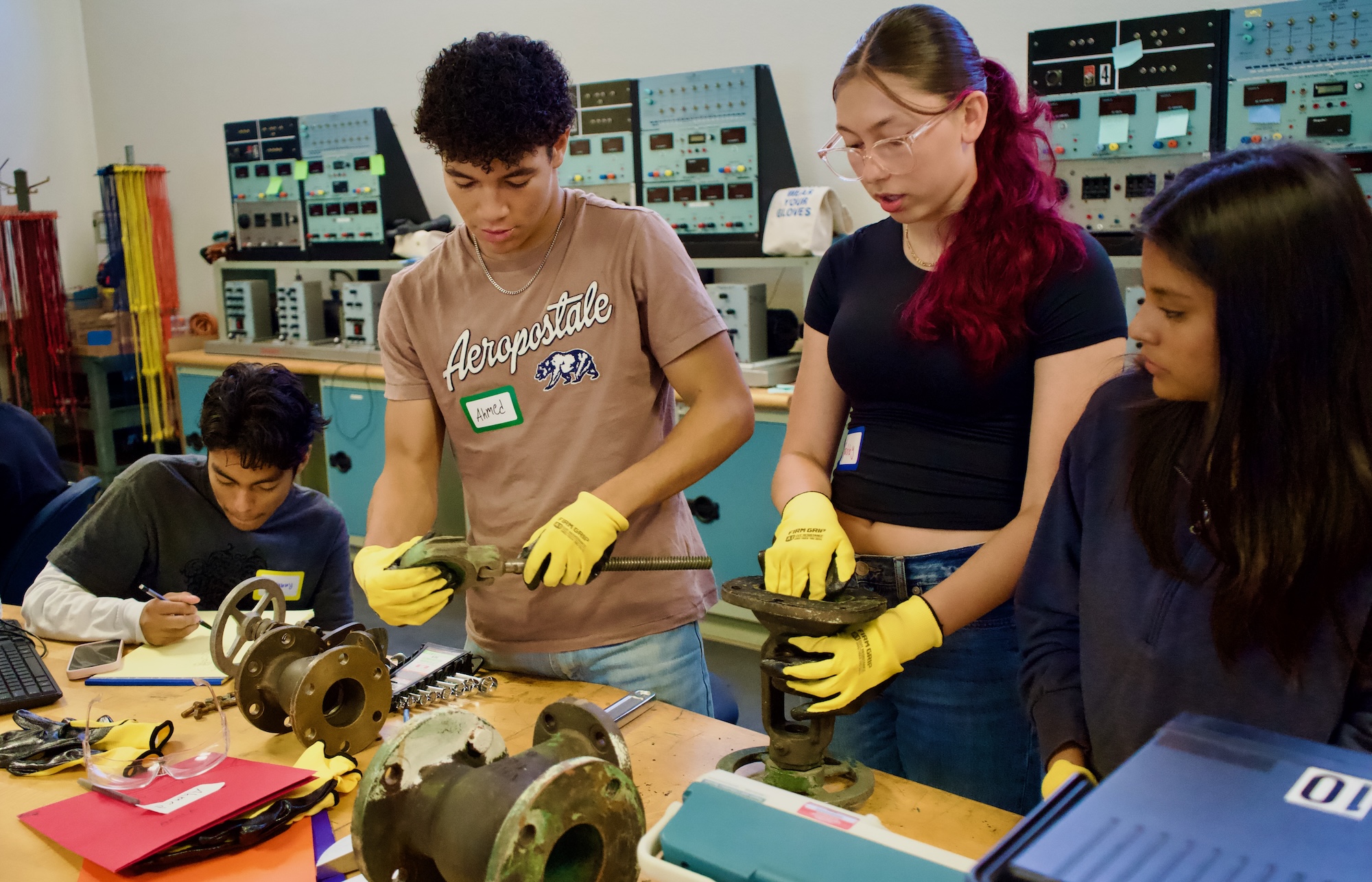
In one of Denver’s wealthiest suburbs, where median family income tops $150,000 and nearly every kid is expected to go to college, students are now lining up for trade certifications.
Their parents aren’t worried; in fact, most of them are championing the move.
For decades, Americans have been treating college as a career plan, spurred by the “college for all” movement — a decades-long educational and political push that aimed to make a four-year college degree the standard expectation and primary goal for all high school students. The data show that it doesn’t work.
Although 88 percent of college freshmen say getting a good job is “a main reason” they enrolled, more than half of college graduates are underemployeda year out, working jobs that don’t require a degree. A decade later, 45 percentstill are.
These aren’t students who dropped out or gave up. They did everything right and still couldn’t find their footing.
The problem isn’t that college doesn’t matter. It’s that college has become an expensive career exploration strategy, with no exit ramp for students who may need one. No wonder confidence in higher education is slipping.
It does not have to be that way. The opportunities for those without a four-year degree are exploding. The U.S. faces an annual shortage of nearly 712,000 workers with certificates and associate degrees in fields where workers without a bachelor’s degree can earn upward of $55,000 a year, Georgetown University’s Center on Education and the Workforce found.
The jobs are there. The pathways to them are not.

From the trail


Join the Ascent
Join the Ridgeline email list for the latest news and opportunities.